What is NAD+? The molecule behind your energy.
NAD+ is one form of nicotinamide adenine dinucleotide, a molecule found in every cell in the body. It plays a central role in the chemical reactions that allow cells to turn nutrients into usable energy.
NAD also helps support normal cellular maintenance, metabolism and DNA repair. In simple terms, it is part of the machinery that helps your cells keep working every day.
BOOK AN APPOINTMENT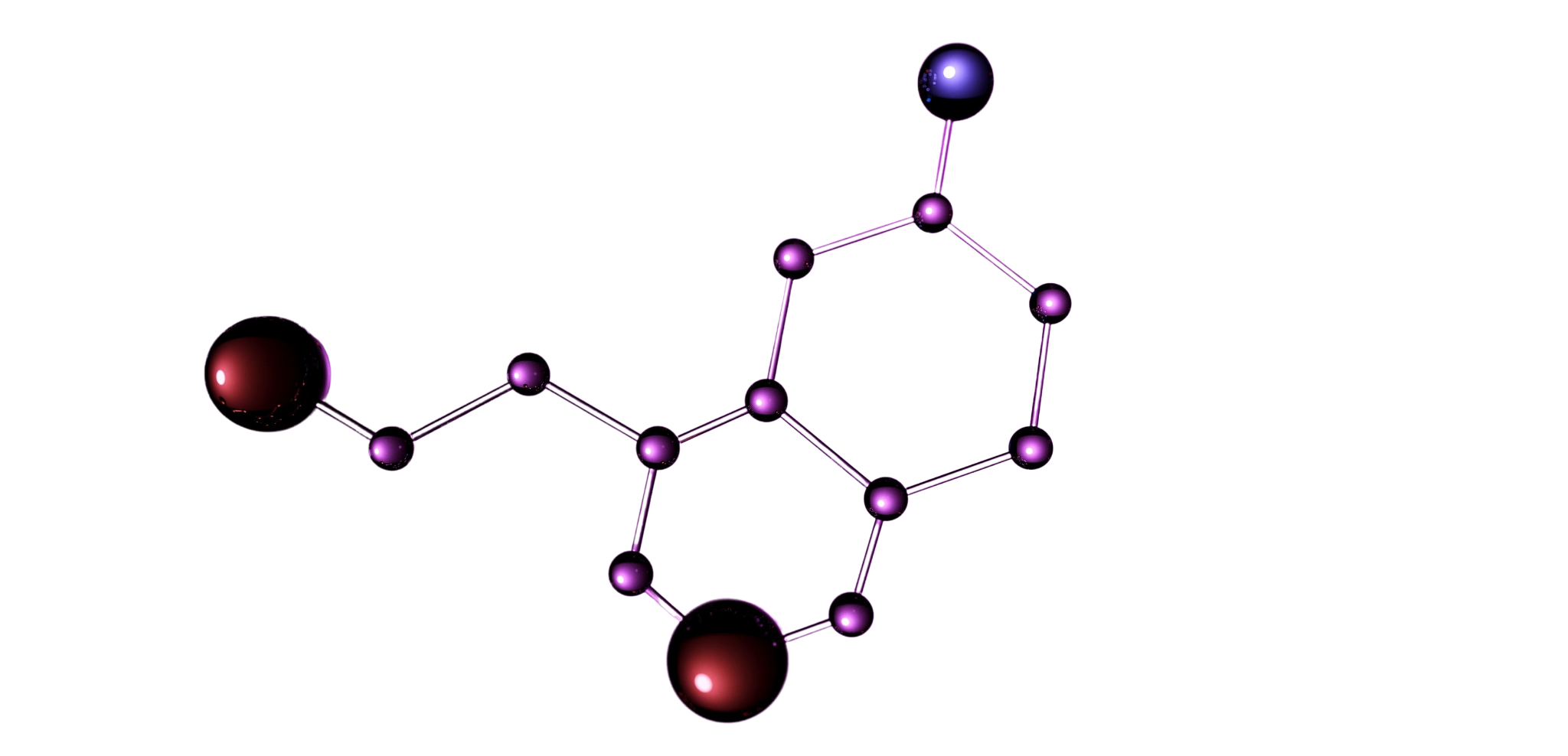
How NAD+ Works
NAD works by moving electrons from one chemical reaction to another. This electron transfer is essential for cellular energy production and is one of the reasons NAD is so closely connected with metabolism.
NAD exists mainly in two forms, NAD+ and NADH. NAD+ can accept electrons, while NADH carries them. Together, they continually cycle back and forth as cells convert food into energy.
Much of this activity happens inside the mitochondria, the structures within cells responsible for producing much of the energy the body uses.
- Supports the conversion of nutrients into cellular energy
- Helps enzymes involved in DNA maintenance and repair
- Participates in normal metabolism
- Supports normal function in muscle, brain and heart cells
Why NAD+ Matters
NAD is involved in many of the processes cells depend on to stay functional. Its role goes beyond energy production and includes metabolism, cellular maintenance and the activity of enzymes involved in DNA repair.
Because NAD is used throughout the body, changes in its availability may influence how efficiently cells perform these basic functions over time.
Cellular Energy
NAD participates in the reactions that allow cells to convert carbohydrates, fats and other nutrients into ATP, the energy cells use to perform their normal functions.
DNA Maintenance
Certain enzymes involved in maintaining and repairing DNA depend on NAD. This makes NAD part of the body's normal cellular maintenance system.
Metabolism
NAD helps support chemical reactions that break down nutrients and move energy through the cell, making it closely connected to normal metabolic function.

Healthy Aging Research
NAD levels naturally decline with age. Researchers continue to study how this decline relates to cellular energy, maintenance and changes associated with aging.

Energy Starts at the Cellular Level.
Every movement, thought and heartbeat depends on energy produced inside your cells. NAD is essential to the reactions that make this energy available.
The body can make NAD from nutritional building blocks, including forms of vitamin B3 and the amino acid tryptophan. Cells can also recycle NAD through their own metabolic pathways.
As people age, NAD levels tend to decline. Scientists are continuing to investigate what this means for metabolism, cellular repair and healthy aging.
Energy Metabolism
DNA Maintenance
Cell Function
Aging Research
How Your Body Supports NAD
Your body does not rely on NAD coming directly from food. Instead, it produces NAD using nutrients that act as building blocks, including vitamin B3 compounds and tryptophan.
Foods that provide these nutrients include fish, poultry, whole grains, legumes, nuts, seeds, eggs and dairy products. Regular physical activity, sufficient sleep and general metabolic health may also support the body's normal NAD-related processes.
Interest in NAD has grown because of its role in cellular energy and aging biology. Research into NAD+ supplementation is still developing, and scientists continue to study how different approaches may influence NAD levels and health outcomes.
NAD also functions as a coenzyme, or helper molecule, that works with enzymes involved in hundreds of metabolic reactions. These reactions help cells process nutrients, produce energy and coordinate normal cellular activity. Because NAD is continually used and recycled, maintaining these pathways is part of the body's everyday cellular function.
Researchers are also studying NAD-dependent proteins, including sirtuins and PARPs, because of their roles in cellular balance and DNA-related processes. NAD availability changes with age, which is one reason scientists continue to investigate how NAD metabolism relates to healthy aging, exercise and mitochondrial function.
NAD is not a single-purpose molecule. It is part of a continuous cellular cycle involved in energy transfer, metabolism and normal cell maintenance throughout the body.
 Cellular Energy
DNA Maintenance
Metabolism
Healthy Aging Research
Cellular Energy
DNA Maintenance
Metabolism
Healthy Aging Research