What to Eat on Semaglutide: Food Choices and Simple Meal Ideas

Starting semaglutide can change how you experience hunger and meals. Your usual portions may feel larger, certain foods may become less appealing, and deciding what to eat can take more thought than you expected.
You do not need a perfect diet or a complicated meal plan to take the next step. A practical approach starts with balanced food choices, portions you can comfortably tolerate, and guidance that fits your health needs.
If you are wondering what to eat on semaglutide, this guide offers a starting point for planning meals and discussing nutrition with your prescribing provider.
Is There a Specific Semaglutide Diet?
There is no single semaglutide diet that everyone must follow. Your eating plan should reflect your medical history, food preferences, treatment response, and nutritional needs.
A useful foundation is a varied eating pattern that includes protein foods, vegetables, fruit, whole grains, and appropriate sources of fat. The goal is to make meals manageable while maintaining adequate nutrition.
Semaglutide treatment also requires individualized prescribing and follow-up. Through medical weight-loss care in Johns Creek, you can discuss how food choices fit into your overall treatment plan.
Foods to Eat on Semaglutide
A short list of familiar ingredients can make meal planning easier. You do not need to replace everything in your kitchen or buy specialty foods.
Consider the following categories when building your shopping list. Adjust your choices for allergies, dietary restrictions, and any guidance from your healthcare team.
Protein Foods You Enjoy
Try including a protein source in your meals rather than leaving it out when portions become smaller.
Options include:
- Eggs.
- Fish or chicken.
- Plain Greek yogurt or cottage cheese.
- Tofu or tempeh.
- Beans or lentils.
For example, breakfast could include eggs with toast, while lunch might combine chicken or tofu with rice and vegetables.
Your protein needs are individual. Ask your provider or a registered dietitian whether a specific daily target would be appropriate, especially if you have kidney disease or another condition that affects your diet.
Vegetables and Fruit
Choose produce you enjoy and can realistically prepare. Fresh, frozen, and suitable canned options can all make meals more convenient.
Simple choices include berries with yogurt, a banana as part of breakfast, or cooked vegetables alongside dinner.
You do not need to eat a large raw salad to make a meal balanced. Different preparations may suit you better on different days.
Whole Grains and Other Starchy Foods
A semaglutide meal plan does not automatically require cutting out carbohydrates.
Oatmeal, whole-grain bread, brown rice, quinoa, and potatoes can be included according to your needs and preferences. Pairing a starchy food with protein and produce offers a straightforward way to build a meal.
For example, a baked potato with cottage cheese and vegetables may be more practical for you than a complicated recipe with unfamiliar ingredients.
Sources of Unsaturated Fat
Foods such as olive oil, avocado, nuts, and seeds can add variety and flavor.
Include them in amounts that fit your overall eating plan and comfort. A small addition to a meal may be enough, particularly when your appetite is lower.
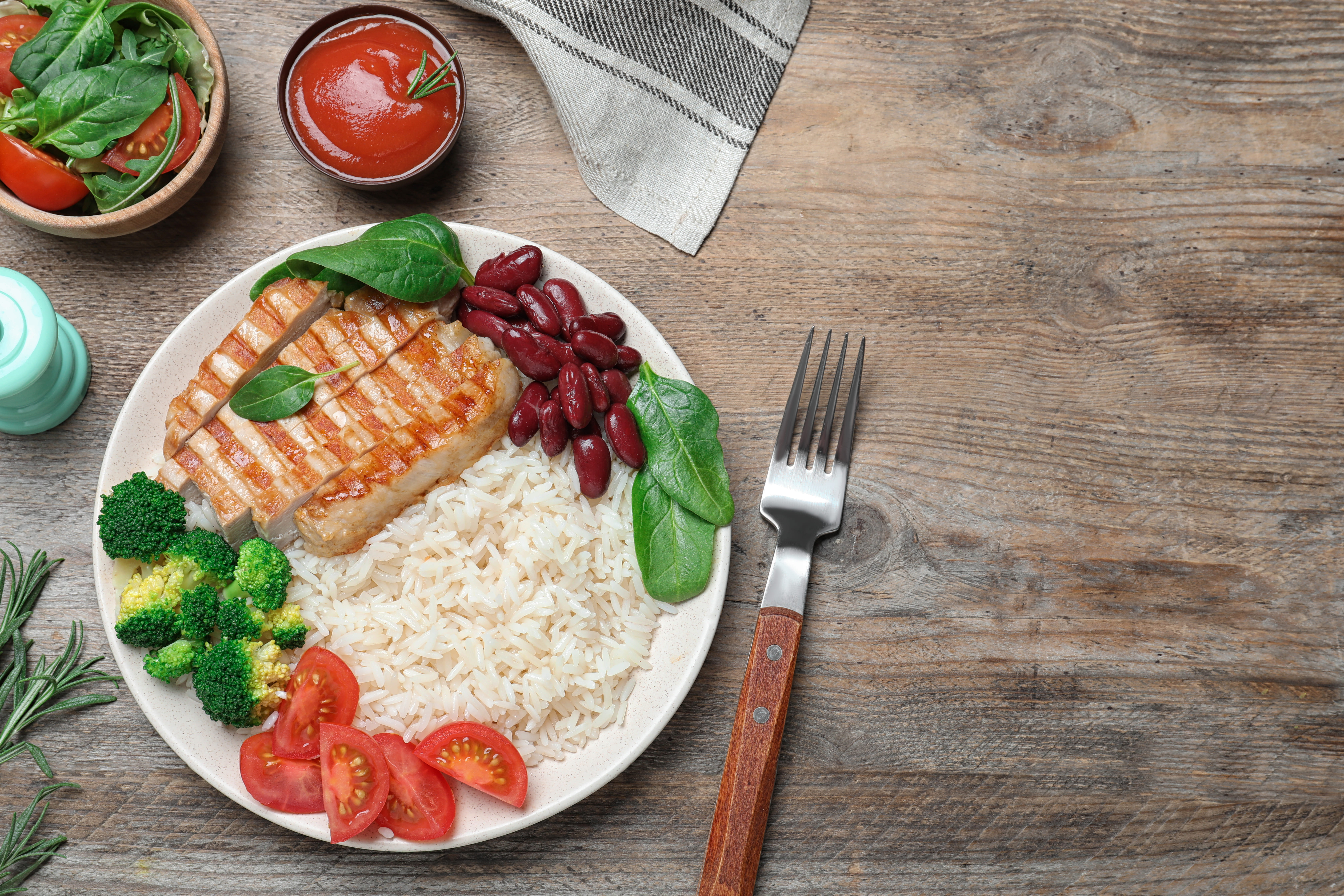
Simple Semaglutide Meal Ideas
The following examples are meal inspiration, not a prescribed daily menu. Portions and ingredients should be adjusted to your nutritional needs and tolerance.
| Meal | Example |
|---|---|
| Breakfast | Plain Greek yogurt with berries and oatmeal |
| Breakfast alternative | Scrambled eggs with whole-grain toast |
| Lunch | Chicken or tofu with rice and cooked vegetables |
| Lunch alternative | Lentil soup with toast |
| Dinner | Baked fish with potatoes and green beans |
| Dinner alternative | A tofu and vegetable rice bowl |
| Optional snack | Cottage cheese, yogurt, or fruit with a suitable protein food |
Keep a few easy options available for days when cooking feels difficult. Frozen vegetables, microwaveable grains, eggs, and other convenient ingredients can reduce the effort involved.
A routine you can maintain is more useful than an elaborate plan you rarely follow.
Foods to Avoid on Semaglutide: Does Everyone Need the Same List?
There is no universal list of foods that everyone taking semaglutide must avoid.
However, certain choices may be less comfortable if you experience nausea or other digestive symptoms. The official Wegovy guidance on side effects suggests discussing strategies such as eating more slowly, having smaller meals, and avoiding greasy foods with your healthcare professional.
Pay attention to your own response rather than following a restrictive list from social media.
If a particular meal repeatedly causes discomfort, note the ingredients, portion size, and timing. This can make the conversation with your provider more useful.
What to Eat on Semaglutide When You Feel Nauseous
When nausea occurs, eating may feel challenging. Wegovy’s patient guidance includes bland, low-fat choices such as toast, crackers, or rice among the options a healthcare professional may recommend.
These foods can be temporary options while you seek advice. They are not intended to become your entire long-term diet.
Contact your prescribing provider if nausea continues, worsens, or interferes with eating and drinking. Seek prompt medical care for severe or persistent abdominal pain, repeated vomiting, or an inability to keep fluids down.
Do not change your medication dose on your own to manage symptoms.
What if You Have Very Little Appetite?
A smaller appetite can make it easier to overlook meals. If you are regularly unable to eat enough, tell your provider rather than assuming this is the desired outcome.
It may help to discuss:
- Which meals are hardest to manage.
- Whether smaller eating occasions would suit you.
- Which foods you can tolerate comfortably.
- Whether a dietitian referral would be useful.
- Whether symptoms or treatment need further assessment.
You do not have to resolve these concerns through guesswork. Follow-up appointments are an opportunity to make the plan more workable.

How Does Food Fit Into Your Weight-Loss Progress?
Food choices are one part of medical weight management. Progress should be reviewed alongside your treatment history, medication use, symptoms, activity, and overall health.
If you are unsure what changes to expect over time, read our guide to how long GLP-1 medications take to work.
If your concern is a lack of progress, our article on not losing weight on semaglutide explains questions to bring to your provider.
Your nutrition plan should support a sustainable routine, rather than become a cycle of increasingly strict food rules.
Personalized Semaglutide Support in Johns Creek
Knowing what to eat on semaglutide should help you feel more confident about your next meal. You deserve an approach that considers your preferences, concerns, and daily routine.
Vigor Wellness Space provides medically supervised weight-loss care in Johns Creek, including evaluation for semaglutide treatment.
Whether you are exploring treatment or have questions about your current approach, a consultation gives you space to discuss your goals and the support you need.
Schedule a consultation to explore your next step.

Related articles

Weight Loss
You started semaglutide hoping to see progress. Maybe your appetite has changed, but the number on the scale has barely moved. Or perhaps [...]

Weight Loss
Most people notice less hunger within 1–2 weeks on a GLP-1, while weight loss builds over months as the dose is raised. Here is a realistic week-by-week timeline.